
If you’ve ever noticed dark marks that linger long after a breakout, a patch of melasma that seems to deepen in certain light, or an uneven tone that stubbornly resists your routine, you’re not alone. Pigmentation is one of the most common skin concerns worldwide. It’s also one of the most misunderstood, which is why so many people struggle to fade it.
Before you can fix pigmentation to get the even tone and glow you’re after, you need to understand why it happens and why it sticks around. Once you know the root causes, the path to brighter skin becomes much clearer.

Not all dark marks are the same
Two of the most common types of pigmentation are melasma and post-inflammatory hyperpigmentation (PIH), and they behave very differently.
Understanding which type you have is the first step to treating it effectively.
Melasma
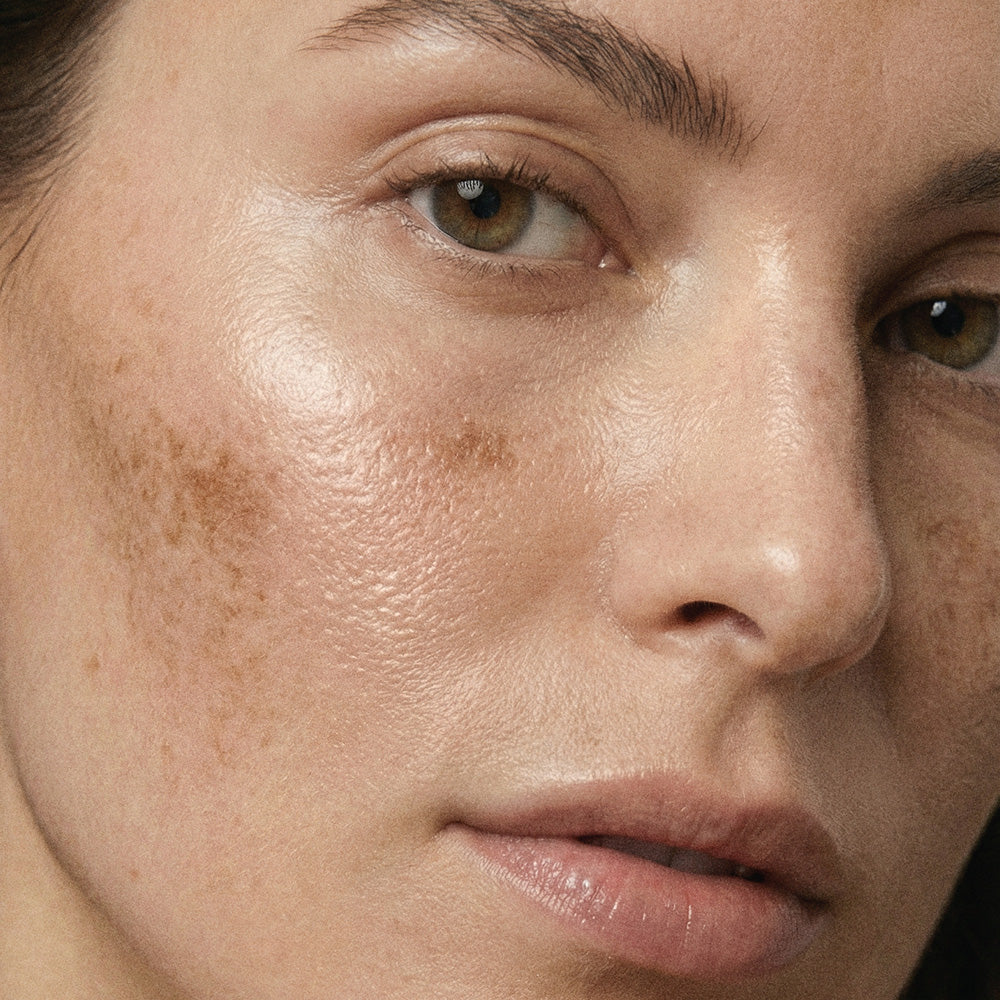
Melasma is hormonally influenced and often appears as symmetrical patches across the cheeks, forehead, or upper lip. It’s triggered by sunlight, heat, inflammation, and hormonal changes. Because it originates deeper in the skin, it needs a consistent routine to see results.
PIH (Post-Inflammatory Hyperpigmentation)
PIH is the dark mark left behind after a breakout, scratch, flare-up, or irritation. When skin is inflamed, it produces excess pigment, leaving a brown mark once the spot heals. These marks sit closer to the surface than melasma, but they still fade slowly, especially without antioxidant support.

Inflammation makes pigmentation darker
Inflammation tells your skin something is wrong, and one of its protective responses is to produce more melanin. And more melanin means darker marks.
Breakouts, friction, aggressive exfoliation, and harsh skincare can all worsen pigmentation by triggering inflammation. Even products designed to brighten the skin can darken marks if they’re irritating or too potent.
This is why the most effective brightening routines are gentle, consistent, and barrier-supportive.
Your skin is fighting oxidative stress every day
Pigmentation deepens when the skin is overwhelmed by oxidative stress: damage caused by pollution, UV rays, and free radicals.
Free radicals from UV exposure, pollution, and environmental stress trigger oxidative damage in your skin. This damage fuels inflammation, which triggers melanin production, which leads to more pigmentation. It’s a cycle that keeps repeating unless you interrupt it. This is where Vitamin C becomes essential.

Why Vitamin C is critical for stubborn pigmentation
Vitamin C is one of the most researched antioxidants in skincare. It neutralises free radicals before they can cause damage, helps to inhibit excess melanin production, and supports your skin’s natural repair processes. When used consistently, it prevents new dark marks and gradually fades existing ones.
- It blocks excess melanin formation, preventing marks from deepening.
- It brightens existing dark spots by interrupting pigment pathways.
- It protects against UV and pollution, two major drivers of pigmentation.
- It boosts collagen, improving overall tone and texture.
But not all Vitamin C serums are created equal. Many traditional formulas oxidise quickly, turn orange, irritate the skin, or feel sticky – all issues that prevent people from using them consistently enough to see results.
Stability, texture, and tolerance matter just as much as potency when it comes to Vitamin C serums.
Why pigmentation takes time to fade
Pigmentation didn’t appear in a day, and it won’t disappear in one either.
Your skin renews itself roughly every 28 to 40 days, depending on your age. For pigmentation to fade, you need multiple cycles of cell turnover. This means visible improvement typically takes four to twelve weeks of consistent use, sometimes longer for deeper pigmentation like melasma.
What you’ll likely notice first is an overall brightness to your skin. The glow comes before the full fade. By week two or three, skin often looks more even and luminous, even if the individual marks haven’t completely disappeared yet.
Pigmentation fades slowly because:
- Pigment sits in the deeper layers of the skin and must rise to the surface before fading.
- Melanin production continues unless the underlying trigger is controlled (sun exposure, inflammation, hormones).
- The skin has a natural 28–40 day renewal cycle, so even with the right routine, results appear gradually.
This is why consistency beats intensity. Gentle, daily brightening and antioxidant support fade marks faster and prevent new ones from appearing. Pigmentation responds to steady, daily care. Skipping days or switching products too quickly resets your progress.
The first step to brighter skin
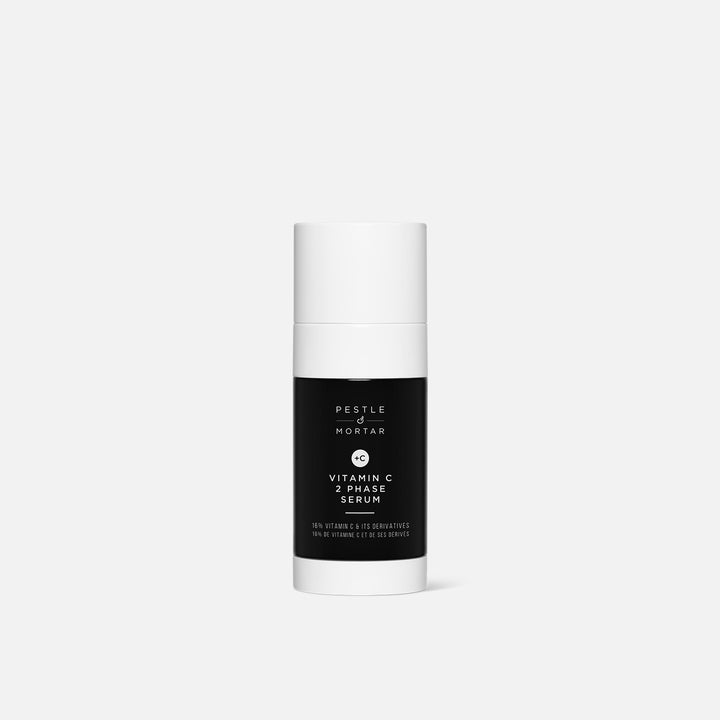
If you’re dealing with melasma, PIH, or general dullness, start with one simple change: add a stable, hydrating Vitamin C serum to your morning routine, followed by SPF. Every single day.
Sun protection isn’t optional when you’re treating pigmentation. UV exposure is the single biggest trigger for melanin production. Without it, even the best brightening products will struggle to show results.
Keep your routine simple. One well-formulated Vitamin C serum, used every morning, will do more for your skin than a complicated ten-step routine.
So this year, give your skin the reset it needs. Stay consistent, be patient, and watch what happens.