If your skin still feels tight by midday, your moisturiser isn’t the problem.
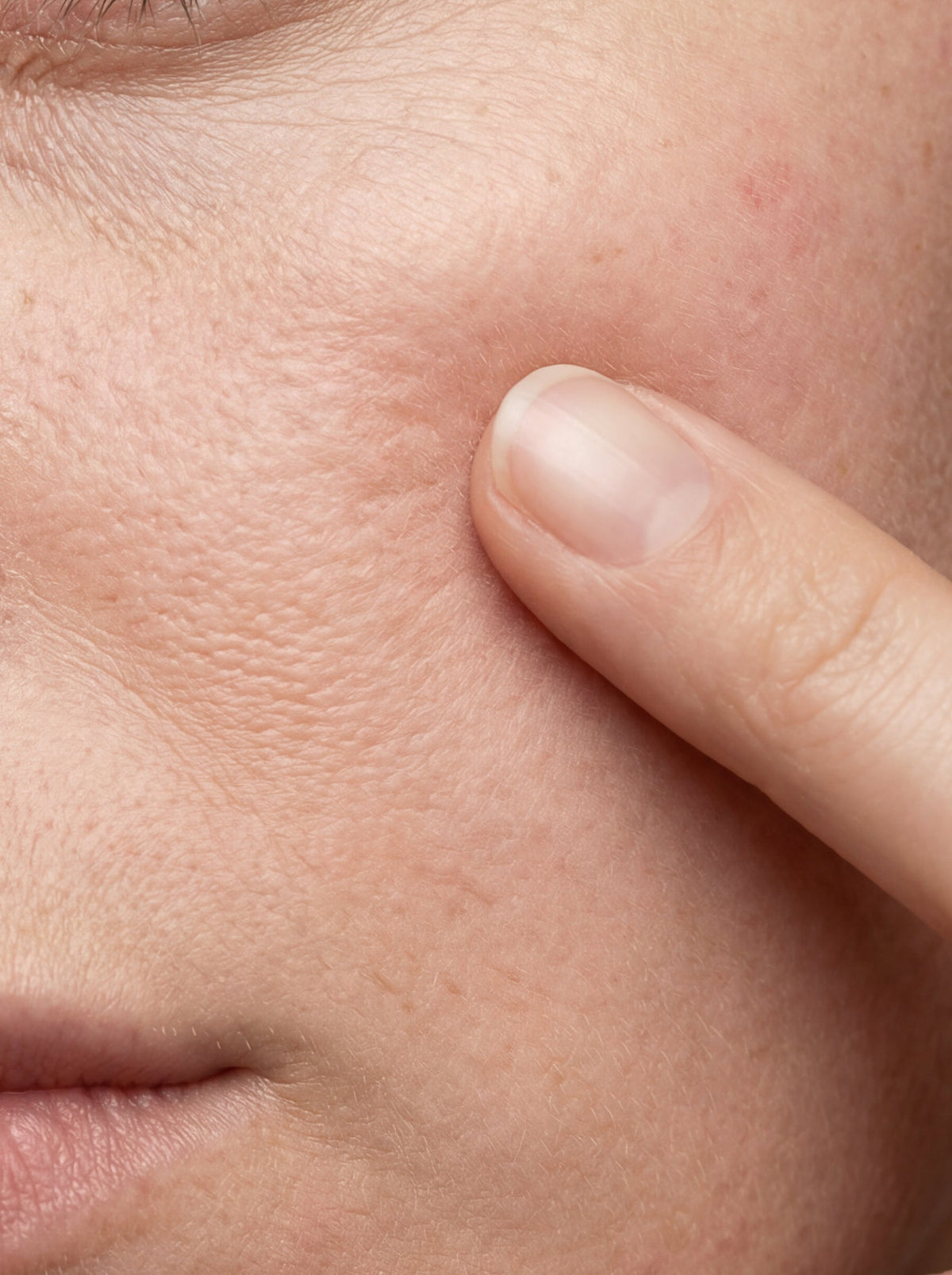
You moisturise every morning. Maybe twice a day. You have tried rich creams, facial oils, even sleeping masks. Yet your skin still feels tight, looks dull, and somehow manages to feel shiny and dry at the same time.
So you add more. A thicker cream. An oil on top. Another layer before bed. But nothing really changes.
Here is what is usually happening. Your skin is not dry. It is dehydrated. And those are two completely different things.
What is the difference between dry skin and dehydrated skin?
Dry skin is a skin type. It means your skin does not produce enough oil naturally, so it struggles to support its moisture barrier. It often feels rough, flaky, and tight most of the time.
Dehydrated skin is a condition. Any skin type can be dehydrated, including oily skin. It means your skin is lacking water, not oil.
When skin is dehydrated, it can look shiny on the surface but feel tight and uncomfortable underneath. In response to water loss, your skin may produce more oil to compensate. That is when you end up with the frustrating oily but dry combination that no cream seems to fix.
Why your moisturiser is not solving it
Moisturisers are designed to seal and protect. They help prevent water from escaping and soften the surface of the skin. They do an important job.
But they are not designed to replace water.
If there is very little hydration in the skin to begin with, applying moisturiser is like sealing an empty container. You are protecting the barrier, but you are not replenishing what is missing.
Hydration has to come first. Then you seal it in.

What causes dehydrated skin?
It is rarely just one thing. More often, it is a combination of daily habits and environmental stress.
Harsh cleansers are one of the most common causes. That squeaky clean feeling after washing your face is not a sign of healthy skin. It usually means the protective barrier has been disrupted, making it easier for water to escape.
Hot water has a similar effect. It weakens the barrier and increases water loss from the surface of the skin.
Environmental factors matter too. Central heating in winter and air conditioning in summer reduce humidity in the air around you. When the air is dry, it draws moisture from your skin throughout the day.
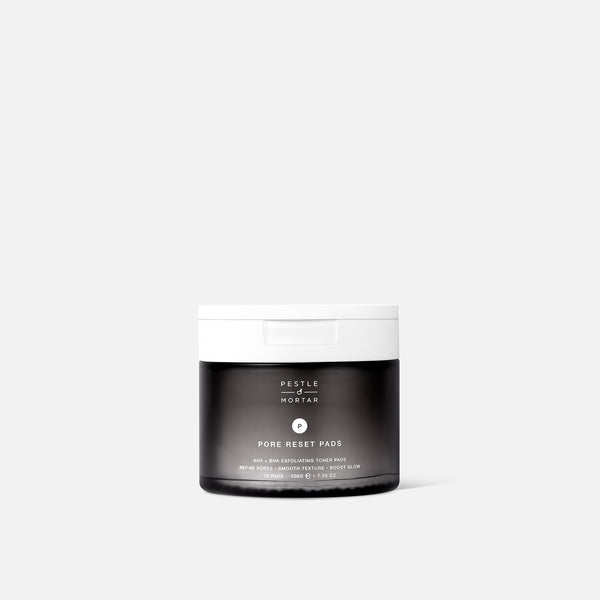
Over-exfoliating is another trigger. Acid based exfoliants can be effective, but using them too often can compromise the barrier faster than it can repair itself. When the barrier is weakened, skin struggles to hold onto hydration.
And sometimes the cause is simple. Many people go straight from cleanser to moisturiser, skipping any true hydrating step in between. If you do not apply water binding ingredients, your skin never receives the hydration it needs
How your skin holds onto hydration
Your skin has its own natural hydration system. Hyaluronic acid is one of its key components. It is a molecule your body produces naturally and it is known for its ability to attract and hold water.
Healthy, hydrated skin looks smoother, softer, and more supple partly because of this natural water binding capacity.
Over time, the skin’s ability to retain hydration changes. Environmental exposure, stress, and age all play a role. Skin can begin to feel thinner, less elastic, and more prone to fine lines when it is repeatedly dehydrated.
This is why adding more cream is not always the answer. Cream supports the barrier. Hydration restores water levels.
To properly address dehydration, you need both.

How to fix dehydrated skin
The principle is simple. Your skin needs water before it needs cream.
Start by applying your hydrating skincare to slightly damp skin. This step makes a difference. When the surface of the skin is lightly damp, water binding ingredients can distribute more evenly and support better hydration.
After cleansing, you can lightly mist the skin or apply your hydrating serum while skin is still fresh from washing.
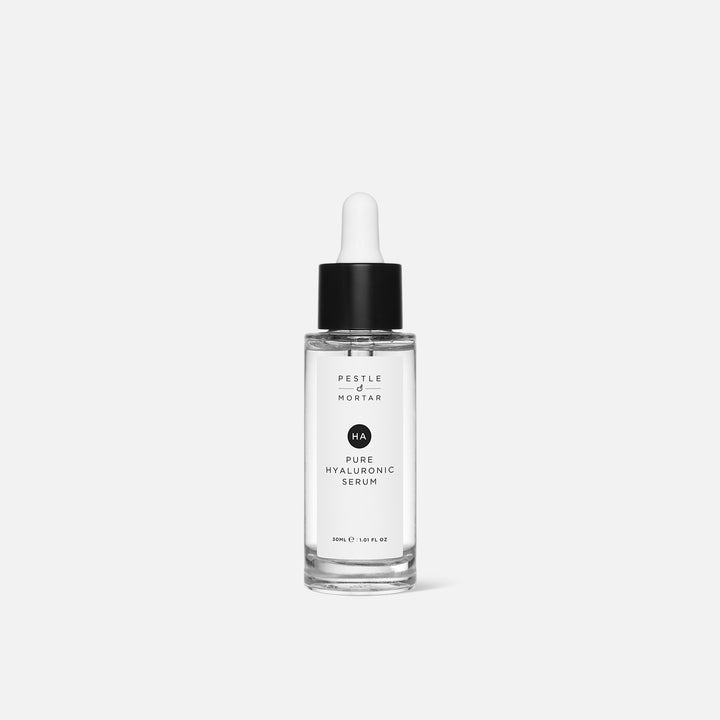
Next, apply a hyaluronic acid serum. The most effective formulas use multi weight hyaluronic acid, meaning different molecular sizes work together to support hydration at multiple levels of the skin. Smaller molecules help replenish hydration more deeply, while larger molecules help hold moisture closer to the surface.
Look for a lightweight, fast absorbing formula that layers easily and does not overwhelm the skin. Two drops morning and night is usually enough.
Once hydration is in place, follow with your moisturiser. Now your cream is doing what it is designed to do. It is sealing in hydration and helping strengthen the barrier so water does not escape throughout the day.
How to tell if your skin is dehydrated or dry
When you start prioritising hydration properly, changes often happen quickly.
The tightness after cleansing begins to ease. Your skin feels softer and more comfortable. That midday oiliness often starts to balance out because your skin is no longer overcompensating for a lack of water.
Over a couple of weeks, texture can improve. Rough patches soften. Skin looks fresher and more even. Fine lines caused by dehydration appear less noticeable because the skin looks plumper and smoother.
A simple test is this. After cleansing, does your skin feel calm and comfortable, or tight and shiny? If it feels tight, dehydration is usually part of the picture.
If your skin feels uncomfortable despite layering creams and oils, the answer is often not more product. It is better hydration. Not more layers. Not more heaviness. Just hydration delivered properly, and sealed in.
If your skin feels tight by midday, start with a lightweight, multi weight hyaluronic serum. Applied to damp skin morning and night, this single step can completely change how your skin feels within days.