
You slept eight hours. You drank water. You even skipped the late-night scroll. And yet, somehow, your eyes still look exhausted. If that sounds familiar, you’re not imagining it. The under-eye area is one of the first places to show signs of fatigue, stress and dehydration, even when the rest of your skin feels fine. And no amount of concealer can change what’s actually happening beneath the surface.
Let’s look at why.
Why the skin under your eyes is more prone to looking tired
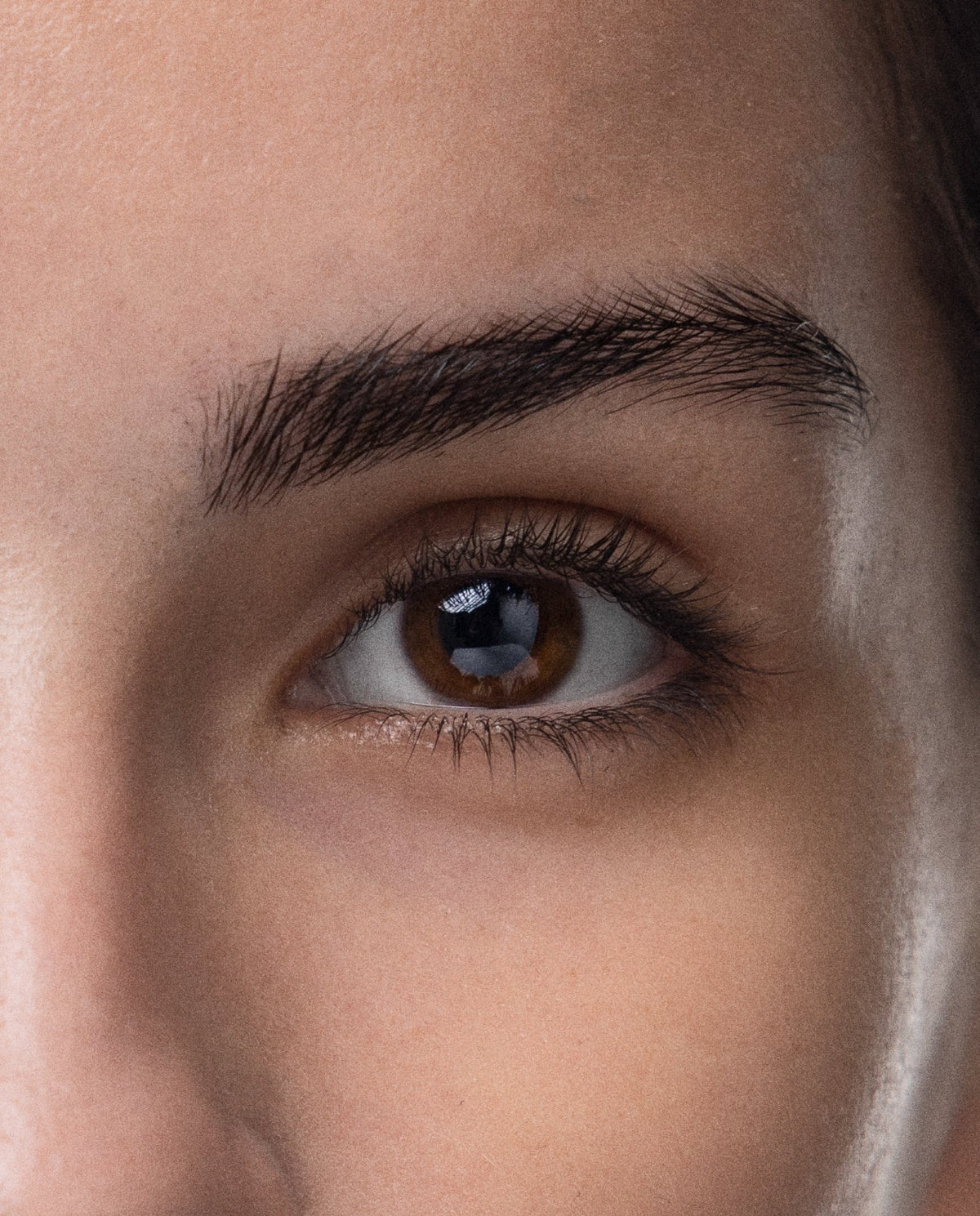
The skin around your eyes is the thinnest on your entire face. It has fewer oil glands, less natural cushioning, and loses moisture more easily than other areas. That’s why under-eyes are often the first place to show dehydration, fine lines, morning puffiness, and a dull or shadowed appearance.
What causes under-eye puffiness and dark circles
Tired-looking eyes rarely have a single cause. More often, it’s a combination of small factors working together. While you sleep, fluid can pool in the delicate under-eye area, which is why puffiness is often worse first thing in the morning, particularly if you sleep flat, have allergies, or tend to retain water.
Dehydration also plays a role. When skin lacks moisture, it can look dull and crepey, with fine lines becoming more noticeable. Because under-eye skin produces very little oil, it’s especially vulnerable. Screen fatigue adds another layer. Long hours on phones, laptops and tablets reduce how often we blink, which increases moisture loss and can leave the eye area feeling dry, tight and tired by the end of the day. Ageing and genetics matter too. As collagen levels change over time, fat pads beneath the eyes can shift, creating hollows or shadows, and some people are simply more prone to dark circles or puffiness due to bone structure, skin tone, or the visibility of veins.

Why concealer (and most quick fixes) don’t help
Makeup can disguise dark circles, but it can’t address dehydration or puffiness. When under-eyes are dry or swollen, concealer often makes things worse by settling into fine lines and drawing attention to texture. The same goes for many quick fixes. Products that promise instant transformation often overlook what the under-eye area actually needs: hydration, comfort, and care designed specifically for this delicate skin. If you’ve tried covering, correcting or camouflaging the problem and still feel like nothing has improved, that frustration makes sense.
What tired under-eyes actually need to look more refreshed
Under-eyes don’t need aggressive treatments or miracle claims. What they respond to best is more support than the rest of the face, because the skin here is thinner, drier, and quicker to show fatigue. That support usually comes in layers.
Eye creams provide daily hydration and help protect the delicate under-eye area by supporting comfort and the skin barrier.
Eye serums offer lighter, more concentrated hydration to target dehydration, dullness or fine lines, but because they absorb quickly, they don’t always fully replenish moisture on their own. This is where eye patches come in.
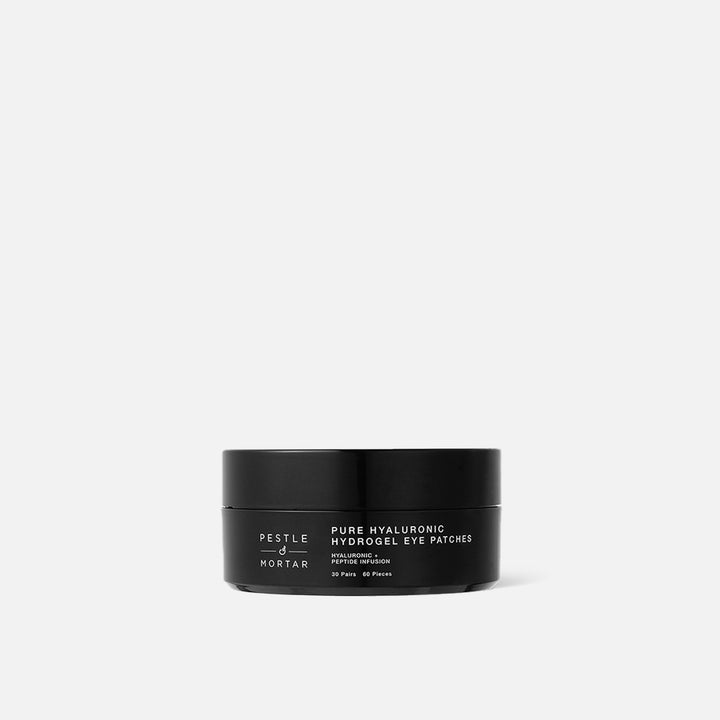
Eye patches act as a delivery system for under-eye serums, holding hydration directly against the skin for several minutes so moisture can sink in more effectively. This added support helps leave the area looking smoother, calmer and more refreshed, particularly when eyes feel tired or puffy.
When the under-eye area gets the extra care it needs, results are often more visible without adding complexity or irritation.
The bottom line on why your eyes look tired
Tired eyes aren’t just about sleep. They’re about hydration, circulation, and giving the most delicate skin on your face the support it needs. Once you understand what’s really going on, you can stop chasing fixes that don’t work and start building a routine that supports your skin properly. Next, we look at how hydrogel eye patches work — and why hydration delivery matters just as much as the ingredients themselves.